…
Discover Rwanda
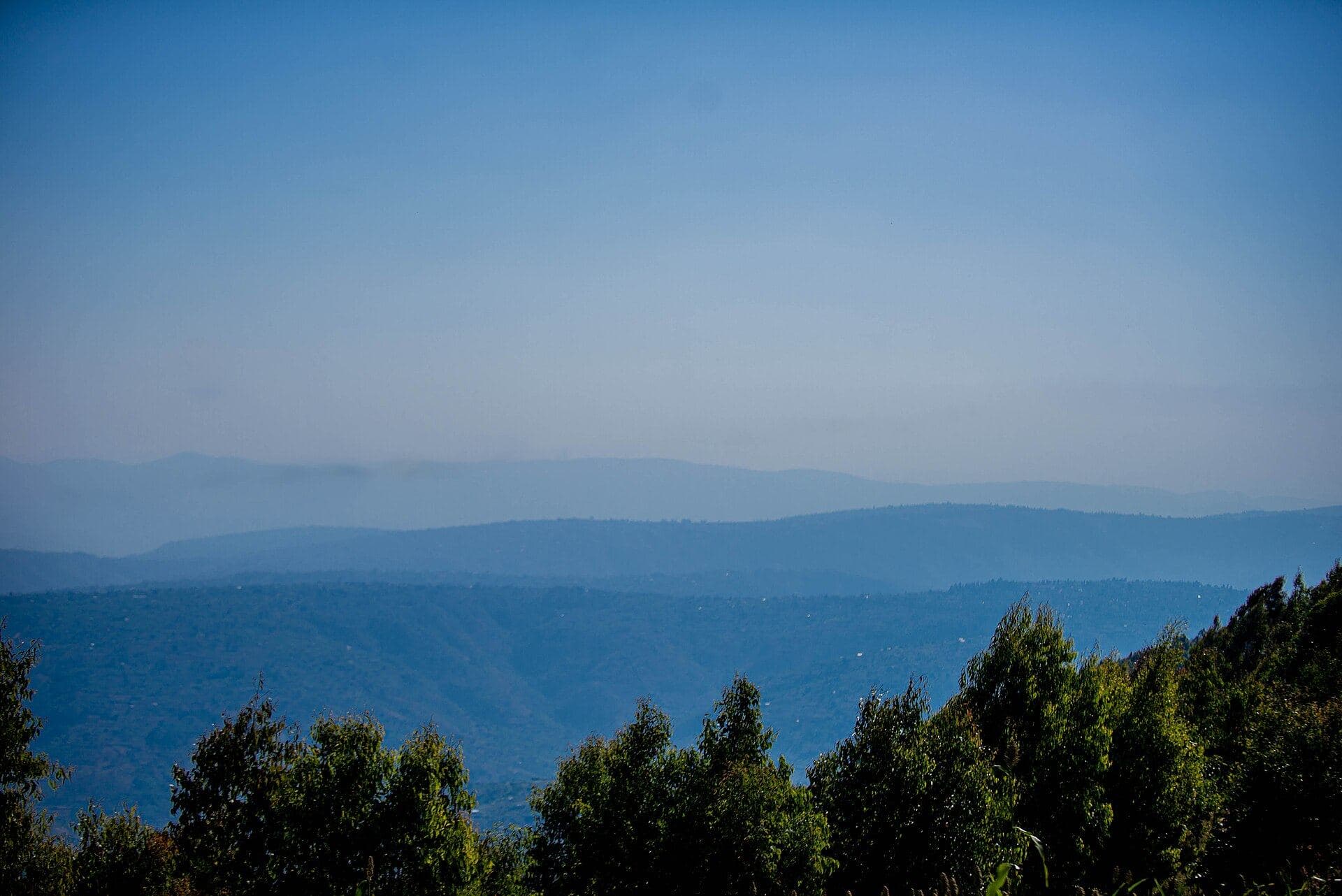
The land of a thousand hills
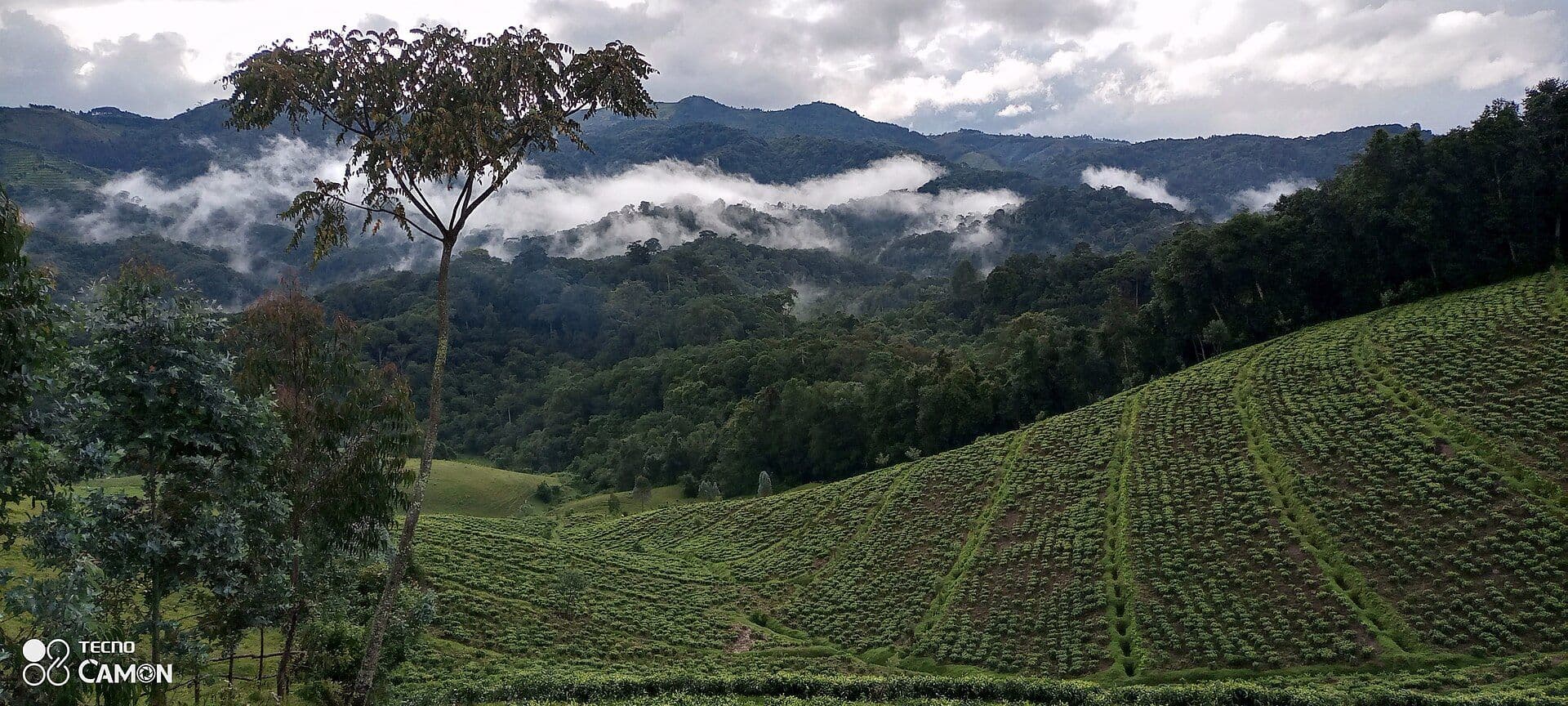
A small country whose landscape changes every two hours of driving: volcanoes, ancient forests, savannah, lakes and tea hills.
Travel ideas
The capital
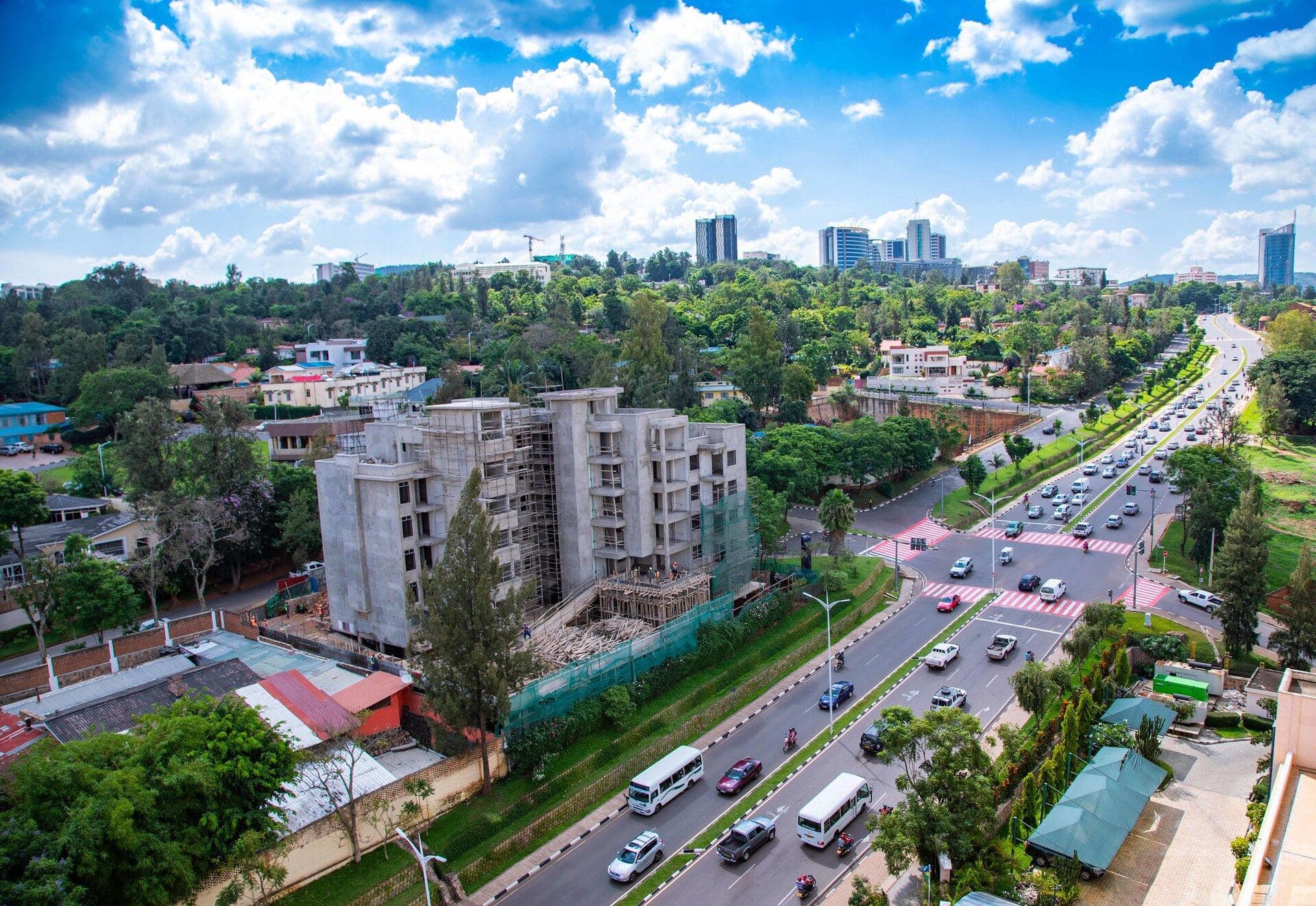
Kigali
A city of hills, clean and green, where almost every trip begins and every safari sets off.
Read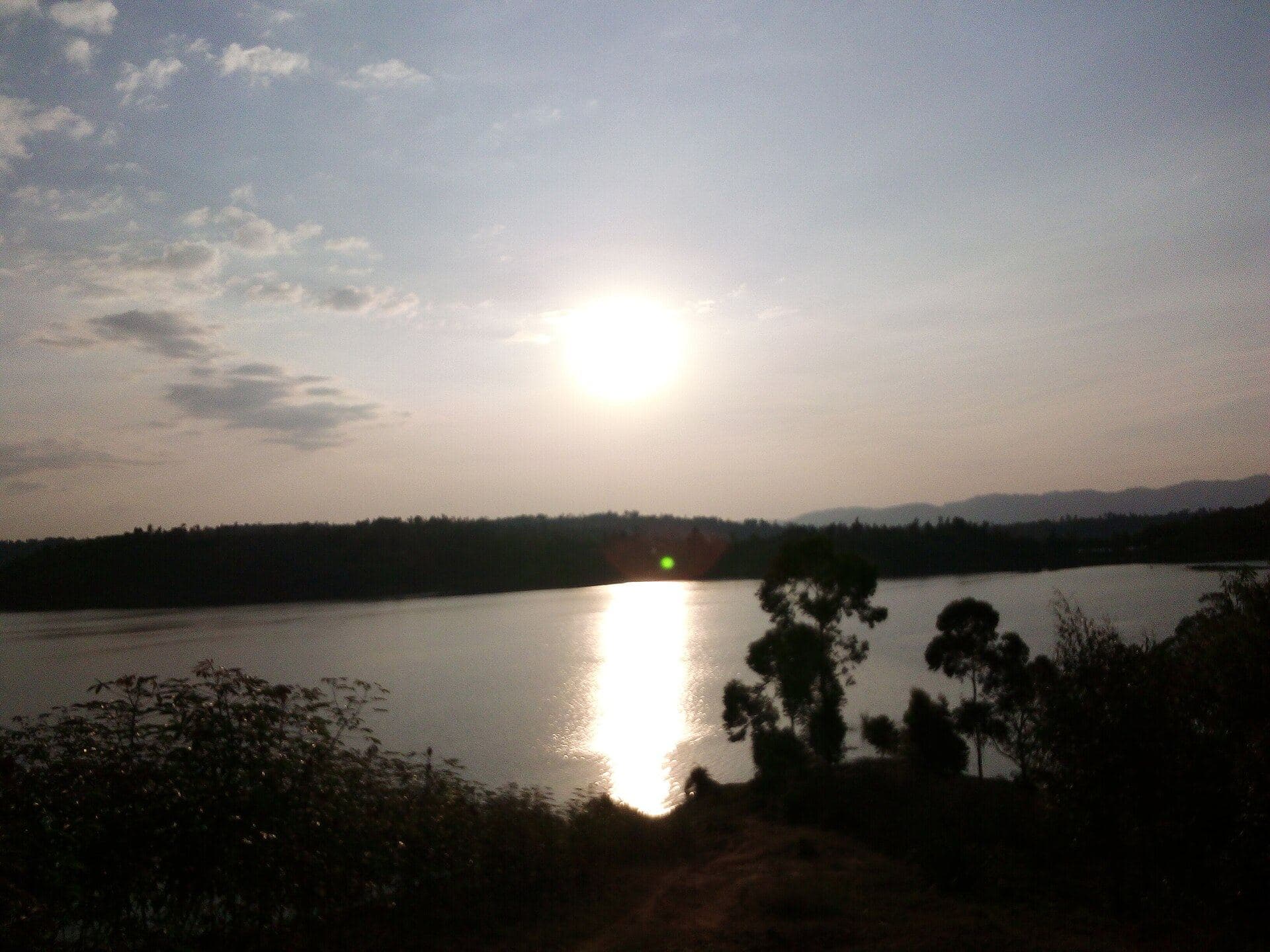
The West
Lake Kivu
The country's largest lake and Africa's sixth: beaches, islands and a 227 km trail along the shore.
Read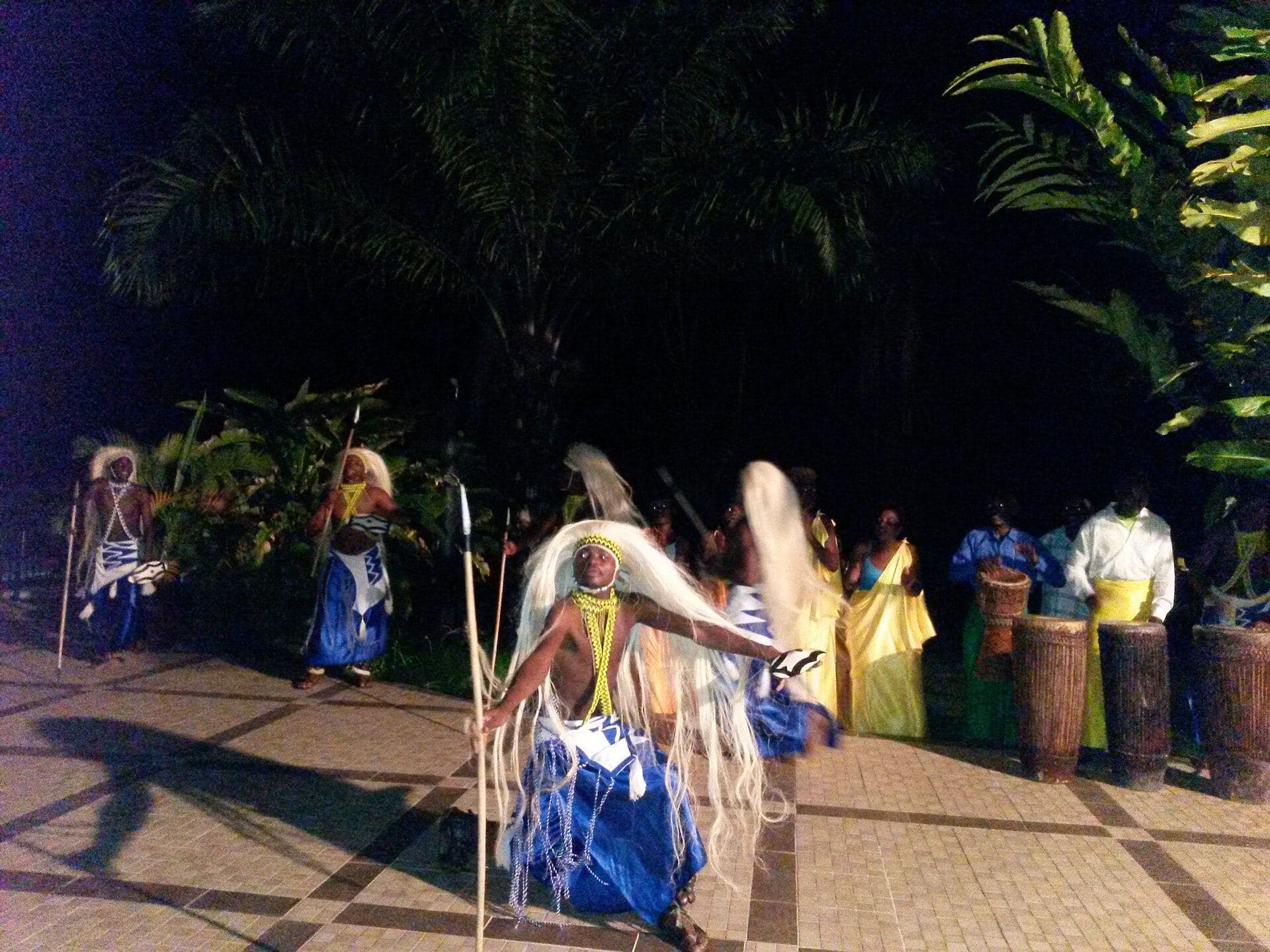
Nyanza and beyond
Culture and heritage
Intore dances, the King's Palace in Nyanza, inyambo cattle with their huge horns: the Rwanda beyond the parks.
Read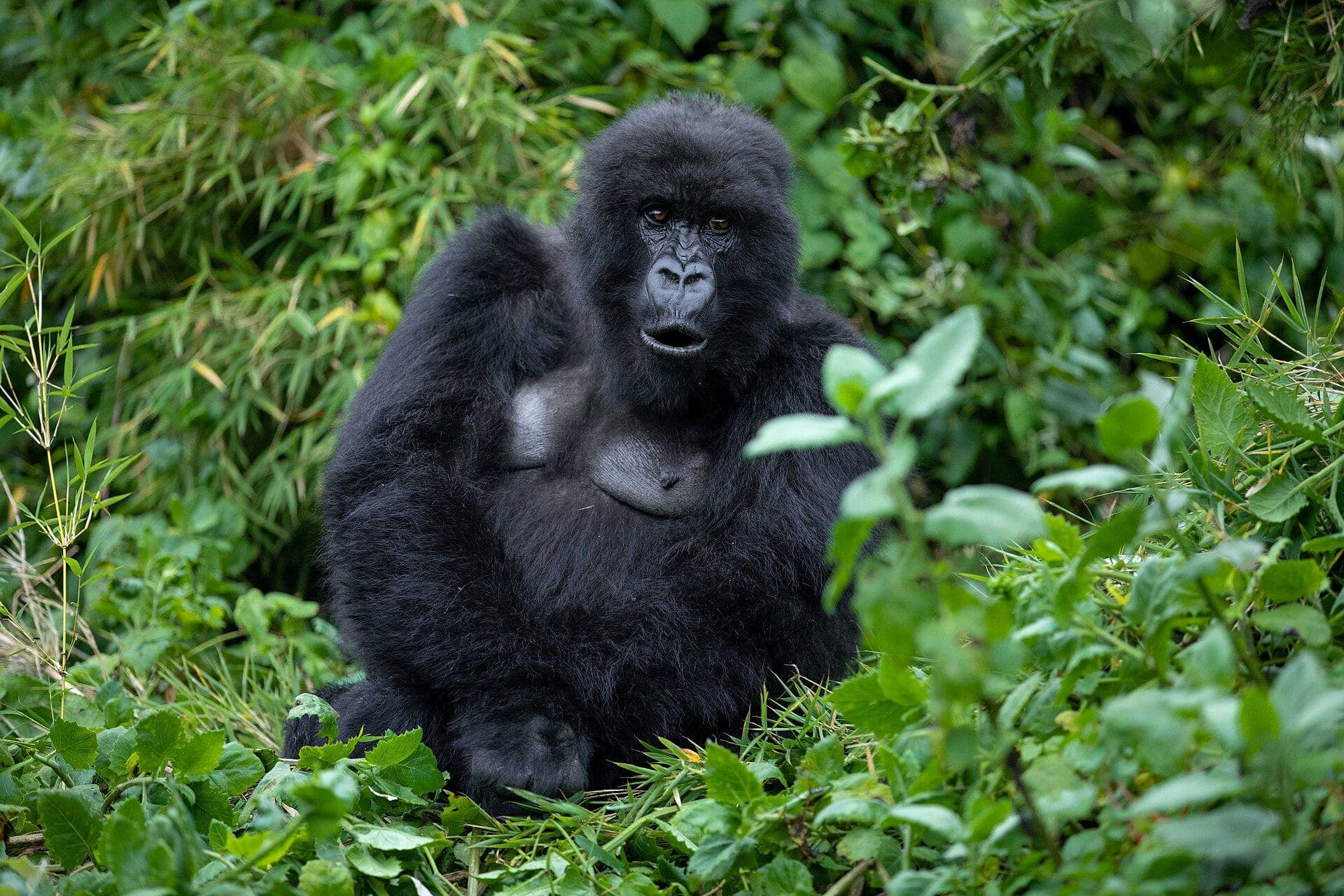
The gorilla naming
Kwita Izina
Every September, at the foot of the Volcanoes, the country names the baby gorillas born that year.
Read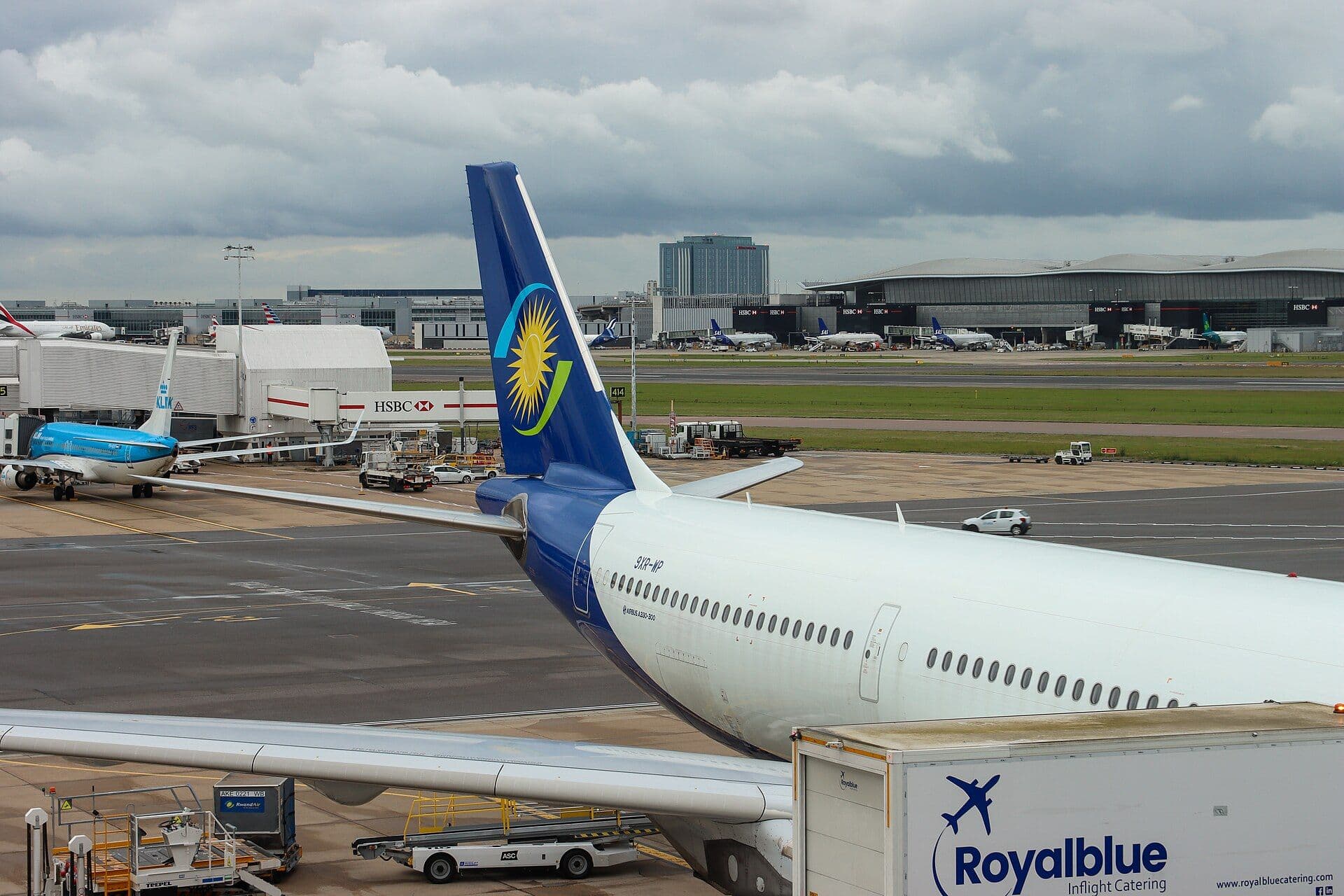
Between two flights
Kigali stopover
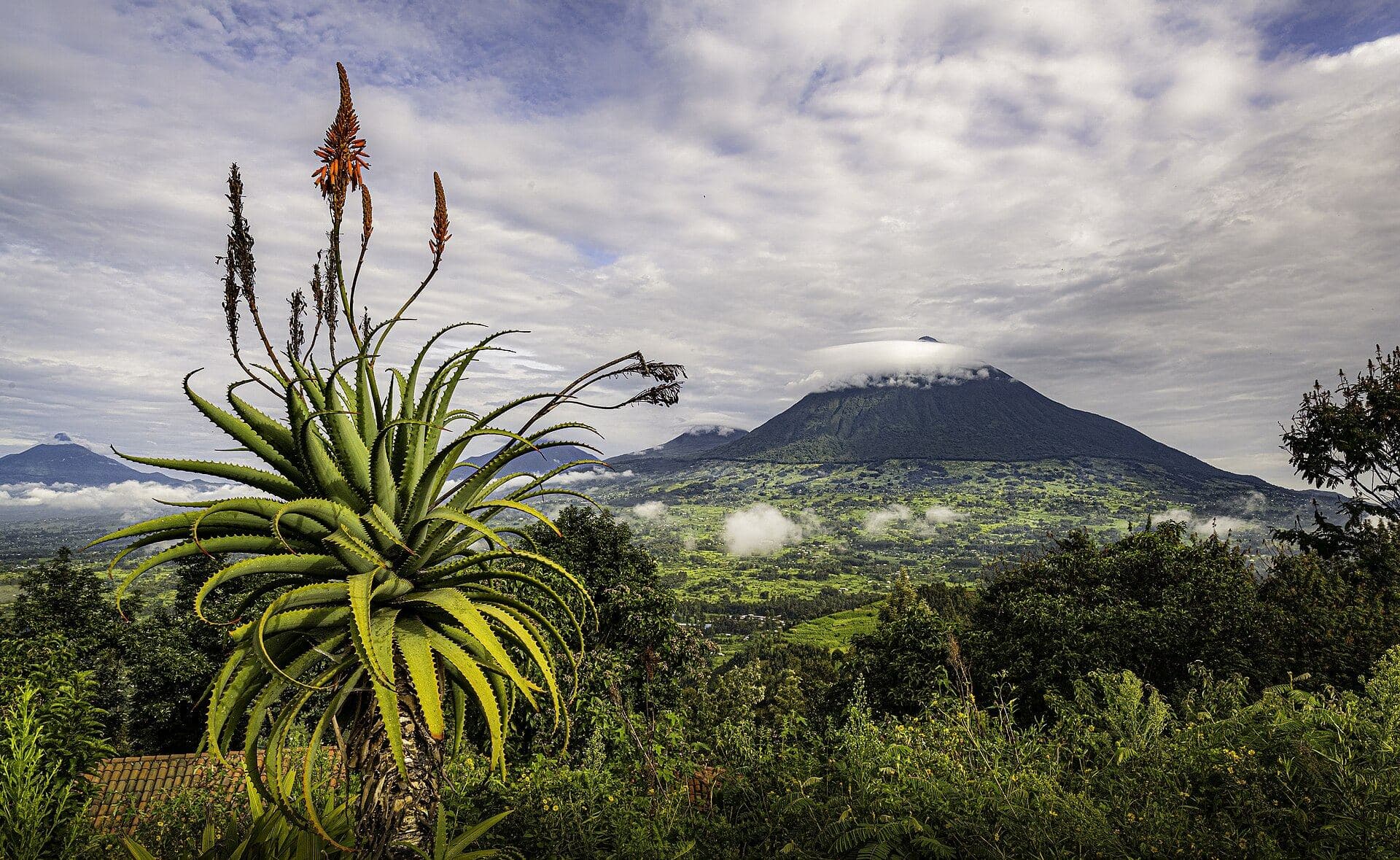
A six-hour connection at KGL? The city centre is twenty-five minutes away: enough to see Kigali and be back in time.
Read
"So high up that you shiver more than you sweat."
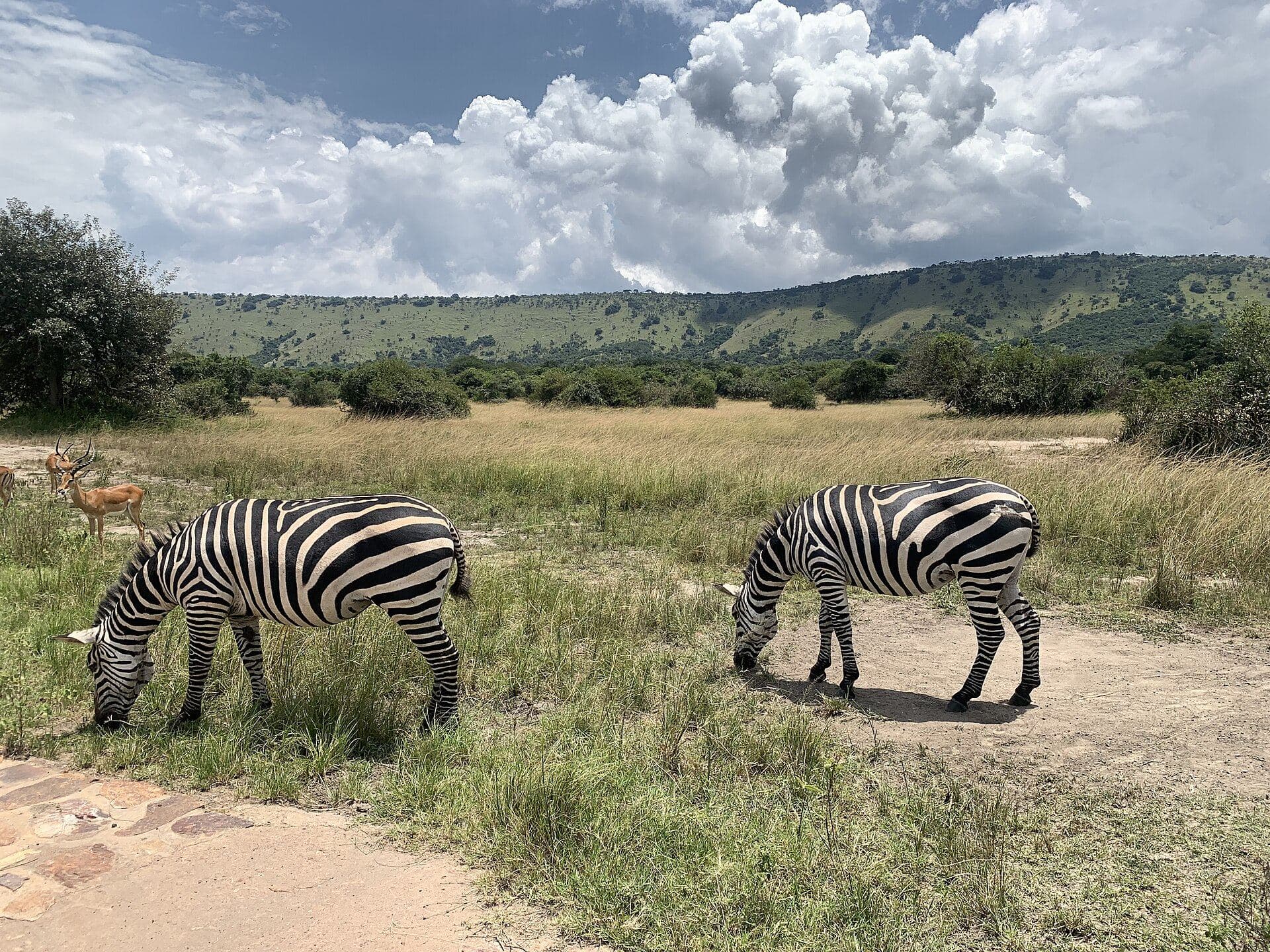
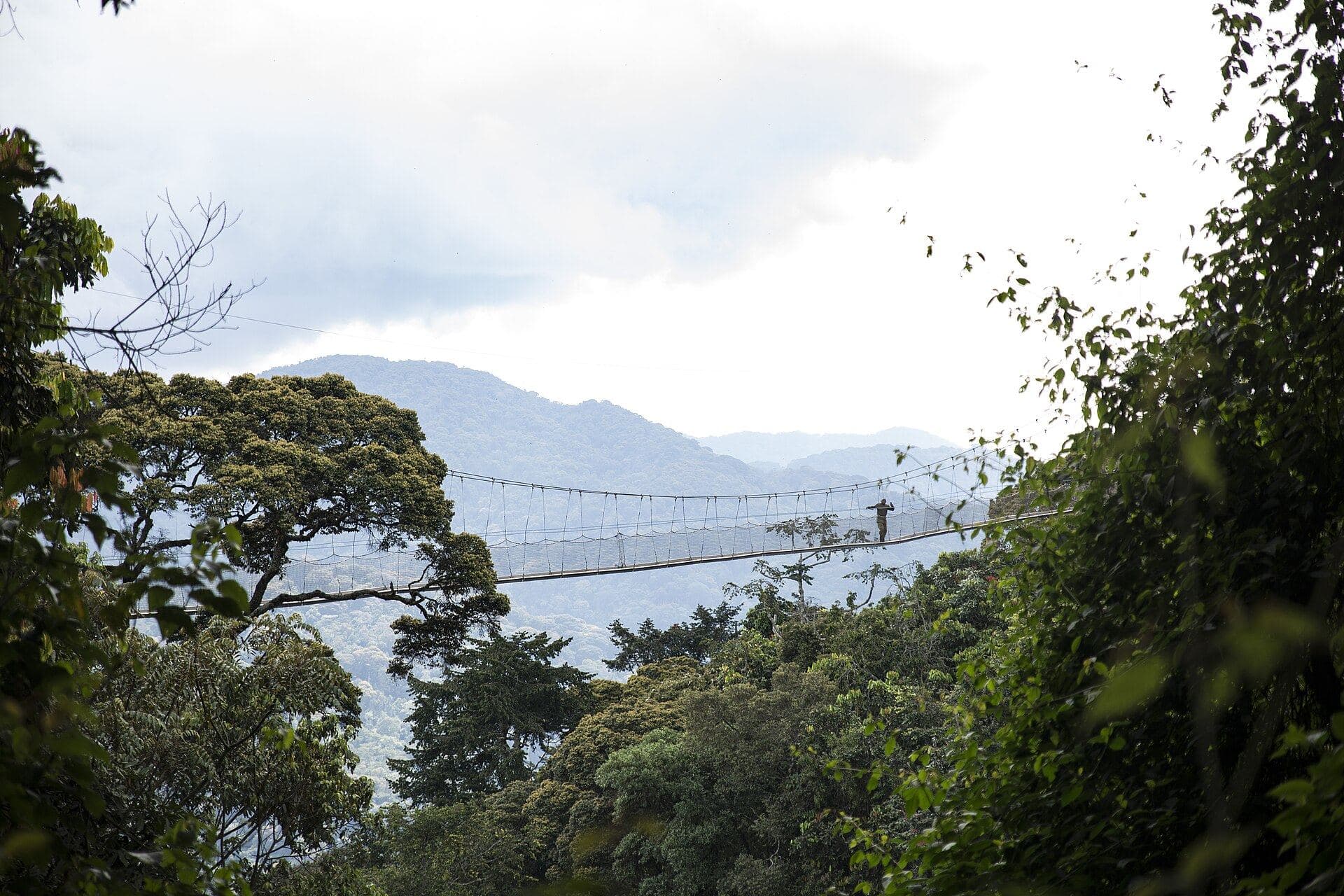
The four parks
When to go
- Jan
- Feb
- Mar
- Apr
- May
- Jun
- Jul
- Aug
- Sep
- Oct
- Nov
- Dec
- Dry season
- Shoulder
- Rains
The two dry seasons, June to September and December to February, are ideal for gorillas and safaris. The March to May rains make trails slippery, but permits are easier to get and the hills greener than ever.
Essentials before you go
Visa
Visa on arrival for all nationalities, at most USD 50 for a single entry. Free for 30 days for citizens of the African Union, the Commonwealth and La Francophonie; a six-month pass for East African Community citizens.
Money
The Rwandan franc (RWF). Dollars are accepted for permits and lodges; Mobile Money is everywhere. Keep some francs in cash for rides, paid to the driver.
Languages
Kinyarwanda, French and English are official languages; Swahili is widely spoken. "Muraho" for hello, "Murakoze" for thank you.
Time
UTC+2 all year, no daylight saving. Sunrise is around 6 am and sunset around 6 pm.
Umuganda
On the last Saturday of the month, from 8 to 11 am, the country does community work and traffic all but stops. Plan your trips before or after.
Plastic bags
Banned since 2008, including in luggage. They may be taken from you at the airport: bring cloth bags.